
What is a Bridging Loan?
As the name suggests, a bridging loan is a short-term financial safety net designed to "bridge" a gap. It provides temporary funding, typically for a period of 1 to 18 months, allowing you to complete a transaction now while you wait for long-term funding or a sale to come through later.
Unlike a standard mortgage which is calculated over 25+ years, bridging loans are designated for speed. They are secured against property or land, allowing for faster processing and more flexible lending criteria.

Who Are They For?
Bridging finance isn't just for big property developers. As shown on our platform, we help a wide range of clients with loans ranging from £25,000 to £50 million. They are commonly used by:

Home Movers
If a property chain breaks, a bridging loan can save the deal, allowing you to buy your new home before the old one sells.
Landlords & Developers
For purchasing unmortgageable properties (e.g., those needing renovation) to fix them up and refinance or sell.
Business Owners
To raise capital quickly for a business purchase, tax bill, or cash flow injection secured against business assets.
When Should You Use One?
Because bridging loans typically carry higher interest rates than high-street mortgages (due to their short-term, convenient nature), they should only be used when you have a specific need for speed or flexibility.
Common scenarios include:
- Auction Purchases: Auctions usually require completion within 28 days—too fast for most mortgage lenders.
- Chain Breaking: Preventing a house sale from falling through.
- Refurbishment: Buying a property that is currently uninhabitable (and therefore unmortgageable) to renovate it.
The "CHFinance" Difference
We know that finance can be stressful. That's why we do things differently. We use a supportive approach, meaning we don't just find you a loan; we assist with the paperwork and guide you through the process.
- Whole Market Access: We work with lenders open to all credit circumstances.
- No Credit Footprint for Quotes: Our initial eligibility check won't impact your credit score.
- Fast Funding: We prioritize getting you the funds when you need them.
Important: The Need for an Exit Strategy
One of the most critical aspects of bridging finance is the Exit Strategy. Because these are short-term loans, you must have a clear plan on how you will repay the loan at the end of the term.
Common exit strategies include:
- Selling the property.
- Refinancing to a standard mortgage or Buy-to-Let mortgage.
- Sale of other assets.
As noted in our regulatory guidance: A clear and achievable exit strategy is essential before proceeding.
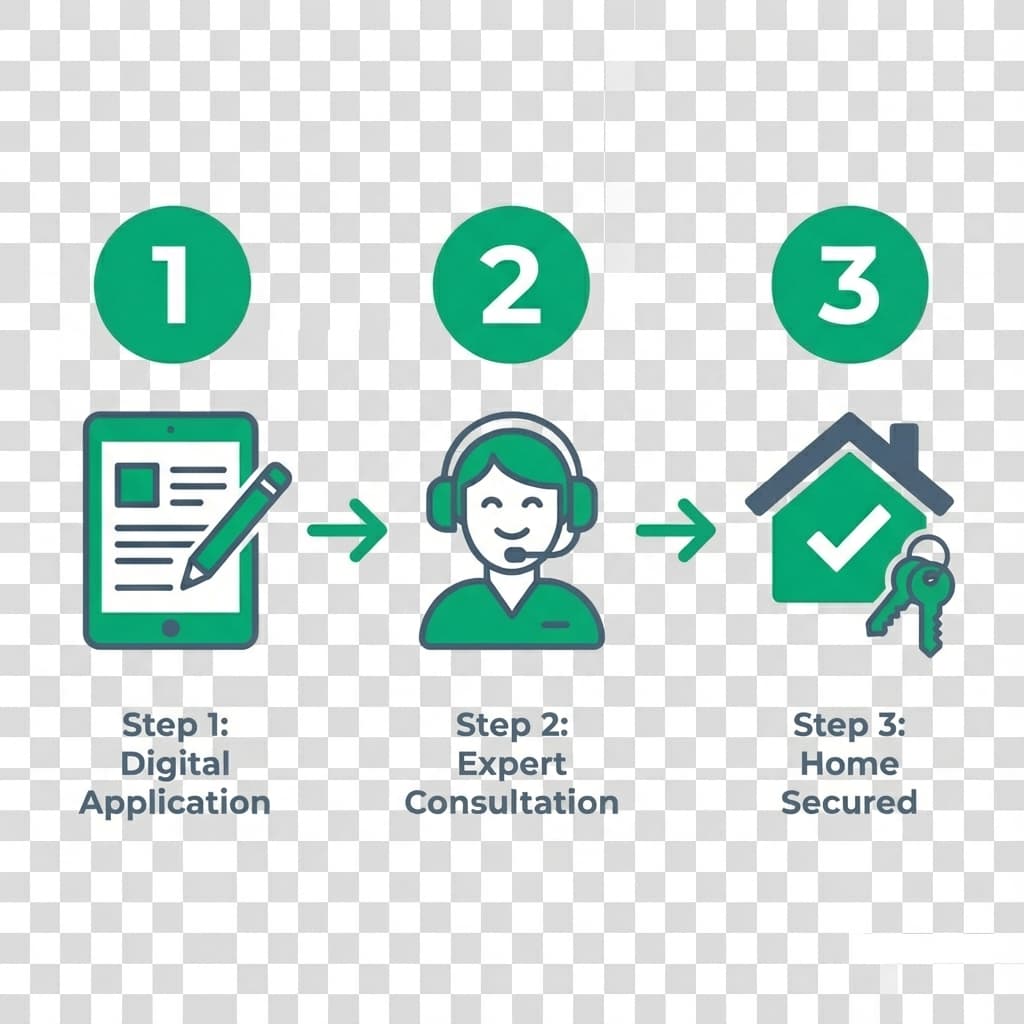
How to Get Started
(The 3-Step Process)
- Fill Our Quick Form: It takes just 30 seconds.
- Consult an Adviser: You will be allocated a CeMAP qualified adviser who will provide advice tailored to your financial circumstances.
- Select Your Loan: Once you are comfortable, we handle the paperwork to get your loan secured.
Summary: The Pros and Cons
To ensure you are making an informed decision, here is a balanced view:
The Pros
- Speed: Much faster than traditional mortgages.
- Flexibility: Lenders look at the asset value, often accepting complex credit histories.
- Interest-Only: Payments are often interest-only or "rolled up" (paid at the end), keeping monthly costs lower.
The Risks
- Cost: Interest rates and fees are generally higher than standard long-term mortgages.
- Security: The loan is secured against your property. Your property may be at risk of repossession if you do not keep up repayments on your mortgage or any other debt secured on it.