

CHFinance

CHFinance

Advising & Protecting your Future!

← Back to blog

Income Protection for the Self-Employed: Real Costs and Common Misconceptions

Updated for 2026 · 7-minute read

Being self-employed in the UK comes with incredible freedom. You choose your hours, your clients, and your direction. But it also comes with a stark reality: if you do not work, you do not get paid.

Request a free review

Unlike employed workers who often have Statutory Sick Pay (SSP) or generous company benefits, the self-employed are largely on their own. Yet many sole traders and freelancers hesitate to get Income Protection, often due to myths about the cost or what the state provides.

At CHFinance, we specialise in helping self-employed individuals find a safety net that fits their unique income patterns. Let us look at the real costs and bust the biggest myths.

The Reality Check: "Won't the State Look After Me?"

Many people assume there is a government safety net that will pay the mortgage if they fall ill. The reality: if you are self-employed and unable to work due to illness, you may typically claim Employment and Support Allowance (ESA).

As of the current rates, the standard assessment rate for ESA (for those aged 25 or over) is approximately £90.50 per week.

  • Ask yourself: Could you pay your mortgage, bills, and food shop on roughly £360 a month?

For most households, the answer is no. This is where private Income Protection steps in, designed to replace a significant portion of your income (usually up to 60-70%) tax-free.

Myth-Busting: What You Need to Know

Piggy bank with shield illustration
Myth #1

"It's too expensive for me."

The truth: Income protection is often cheaper than people think. Quotes can be tailored to fit your budget. You do not need the "Rolls Royce" of policies to be secure.

By adjusting factors like your deferred period (how long you wait before the policy pays out), you can significantly lower the monthly premium.

💡

Example: If you have enough savings to cover four weeks off work, you can set your policy to start paying out after Week 4, which is cheaper than a "Day 1" policy.

Umbrella protecting savings illustration
Myth #2

"I have savings, I don't need insurance."

The truth: Savings are great for a broken boiler, not a broken back. If you were unable to work for 12 months or longer, how quickly would your savings vanish?

Income Protection is designed to pay out for as long as you are unable to work (subject to your policy term), preserving your hard-earned savings for the things you actually want to spend them on.

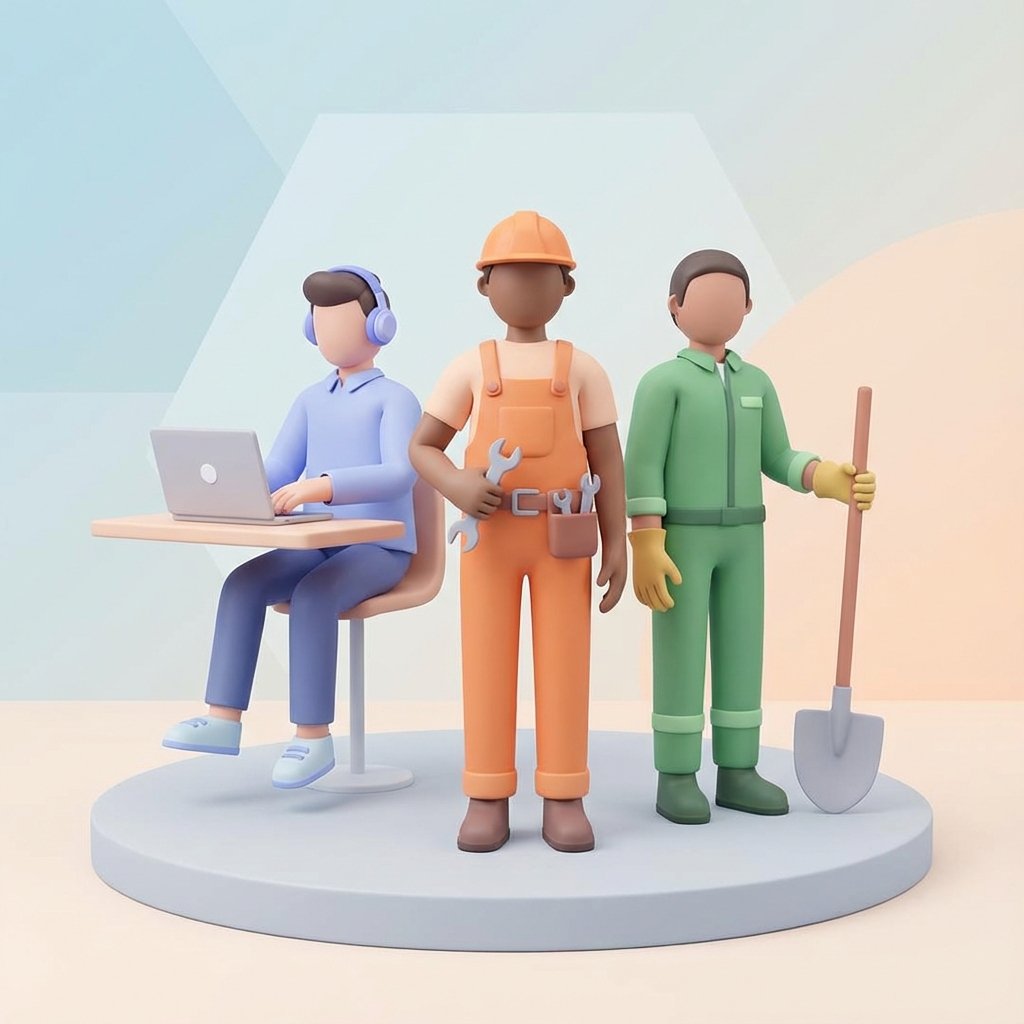
Diverse group of workers illustration
Myth #3

"They won't cover my specific job."

The truth: We work with a wide panel of providers, including specialists like The Exeter, Aviva, and LV=, who are experienced in covering self-employed roles ranging from desk-based consultants to manual trades.

What Does "Own Occupation" Mean?

When looking for cover, the definition of incapacity matters. At CHFinance, we typically look for "Own Occupation" cover for our clients.

  • Own occupation: The policy pays out if you cannot do your specific job.
  • Any occupation: A cheaper (and riskier) definition that only pays out if you are too sick to do any job at all.

We ensure you understand these definitions clearly so there are no nasty surprises.

How We Find Your "Affordable Focus"

As highlighted in our "How We Support You" promise, our process is simple and transparent:

  1. Assessment: We look at your monthly expenses and your current savings.
  2. Comparison: We check quotes from top UK providers to find a policy that balances cost with quality coverage.
  3. Advice: We recommend a policy that fits your budget, whether that is £20 a month or £50 a month.

Ready to Protect Your Income?

You have worked hard to build your business. Do not let an unexpected illness knock it down. Request your free, no-obligation review today and let our qualified advisors find the right cover for you.

Request Your Free Review Today - click below to get started.

Click Here